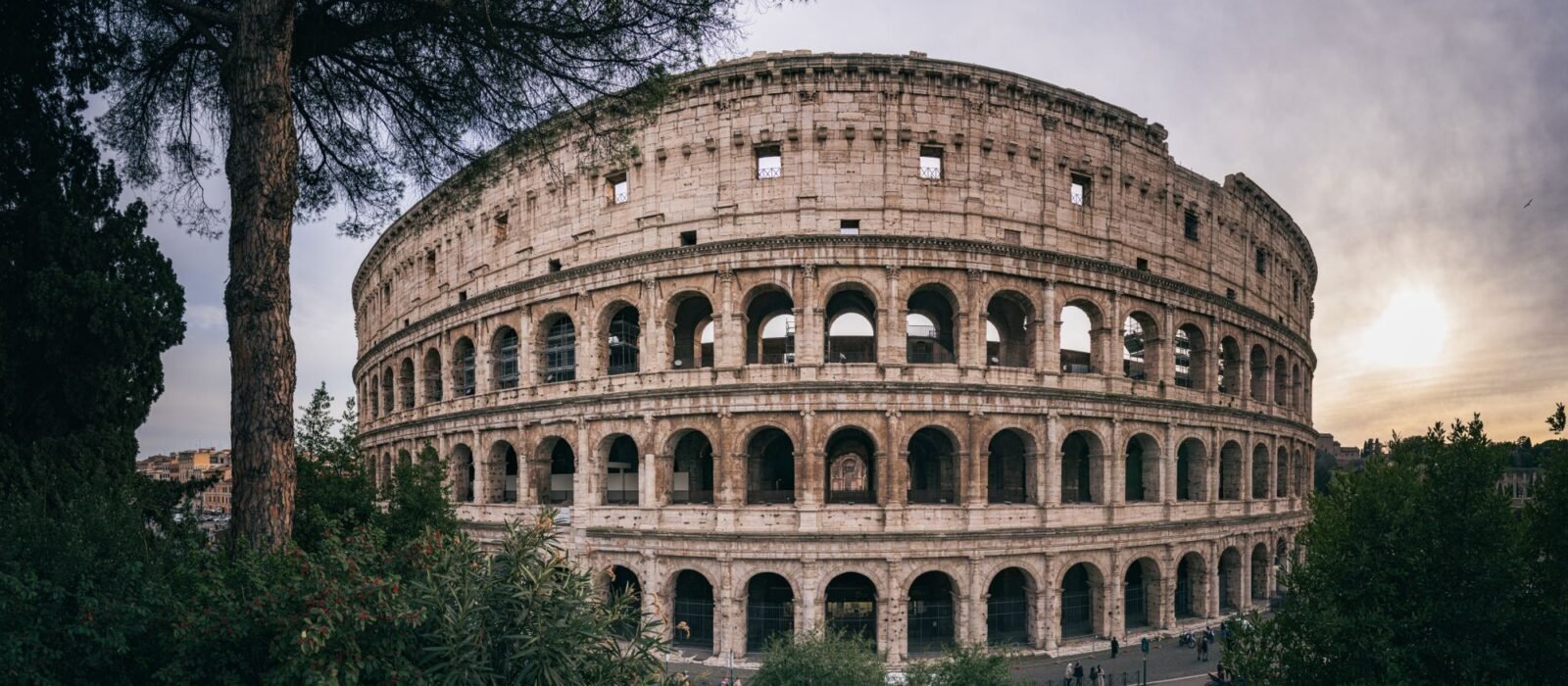
Photo: Görkem Özdemir / Pexels
Wander Rome
Welcome to Rome
Our Rome city guide starts with one truth: Rome is a city you can’t see in a straight line. Two thousand years of history are stacked on top of each other here: a Roman temple becomes a church, a stadium becomes a piazza, and a medieval lane opens onto a Baroque fountain.
Most visitors race between the Colosseum and the Vatican. Both are worth it (book ahead, because the queues are long), but leave room for the in-between: an espresso standing at the bar, an evening passeggiata through Trastevere, a plate of cacio e pepe somewhere with paper tablecloths.
This page is the start of our Rome city guide. We’re adding hidden gems, seasonal advice and in-depth guides over the coming months.
Experiences
Things to do in Rome
Bookable tours and tickets, with free cancellation on most. Booking happens on Viator.
-
Colosseum & Roman Forum
Browse tours on Viator (opens in a new tab) -
Vatican Museums
Browse tours on Viator (opens in a new tab) -
Trastevere food tours
Browse tours on Viator (opens in a new tab) -
Pantheon
Browse tours on Viator (opens in a new tab) -
Pompeii day trip
Browse tours on Viator (opens in a new tab) -
Borghese Gallery
Browse tours on Viator (opens in a new tab)
Rome city guide: the essentials
This Rome city guide keeps the practical side short, so you can spend your time out in the streets. Here is what we’d tell a friend before their first trip.
How many days you need
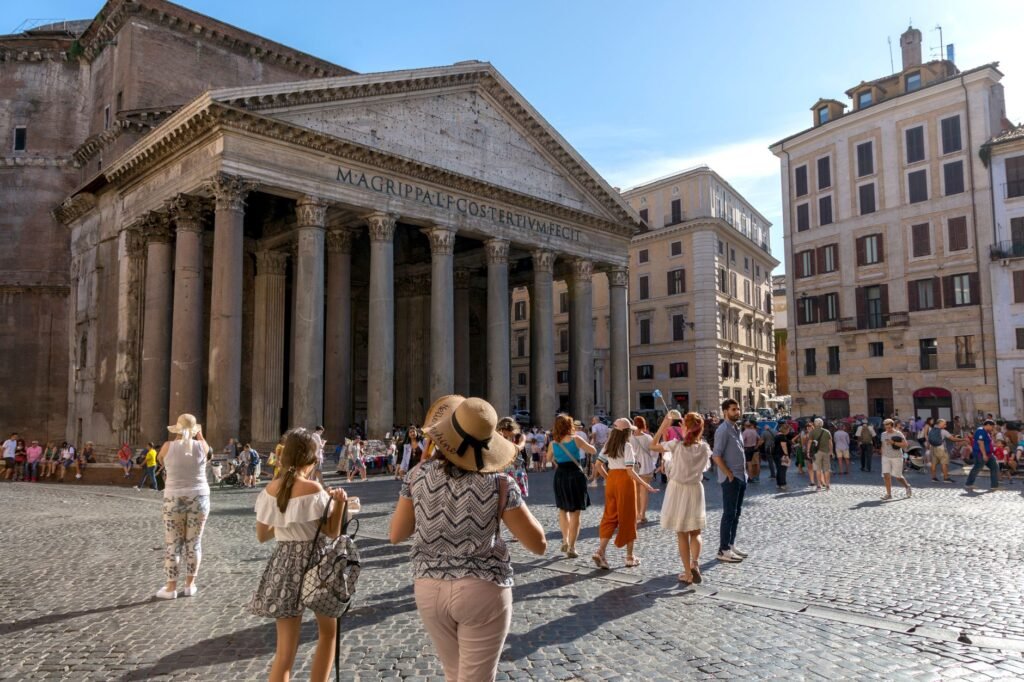
This Rome city guide assumes a first visit. Three full days cover the big three at a pace that still leaves room for long lunches: the Colosseum with the Roman Forum, the Vatican Museums with St Peter’s, and the historic centre around the Pantheon and Piazza Navona. With four or five days you can add the Borghese Gallery, a slow day in Trastevere and a day trip to Pompeii or Tivoli.
Getting around
Everything in this Rome city guide is reachable on foot or by public transport. The historic centre is compact and best seen on foot; many sights are only 15 to 20 minutes’ walk apart. The metro has just three lines and skips most of the centre, but it is handy for the Colosseum, the Spanish Steps and the Vatican area. Buses fill the gaps, and a single ticket covers 100 minutes of travel. Wear comfortable shoes: the cobblestones are real.
Where to stay
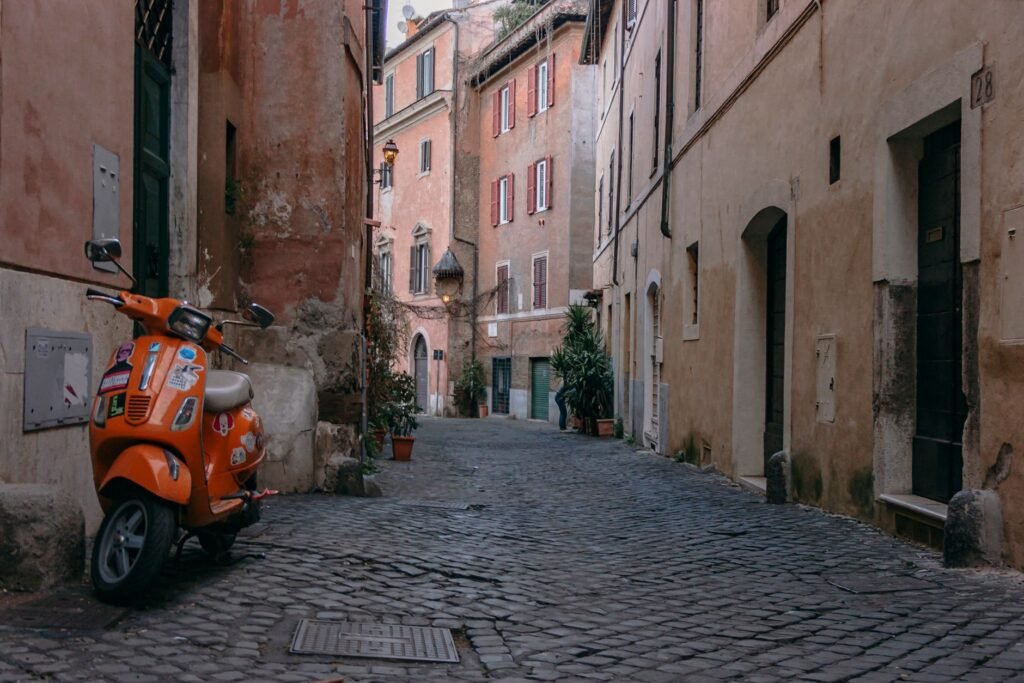
For a first visit, stay in or near the centro storico, where you can walk to most sights. Monti, a few minutes from the Colosseum, has good restaurants and a neighbourhood feel. Trastevere is lively and atmospheric in the evening, but it can be noisy at night. Prati, next to the Vatican, is calmer and well connected by metro.
When to go
Spring (April to early June) and autumn (September and October) bring warm days and fewer crowds than midsummer. July and August are hot, and in mid-August many locals leave the city. Our when to visit Rome page goes month by month.
Before you go
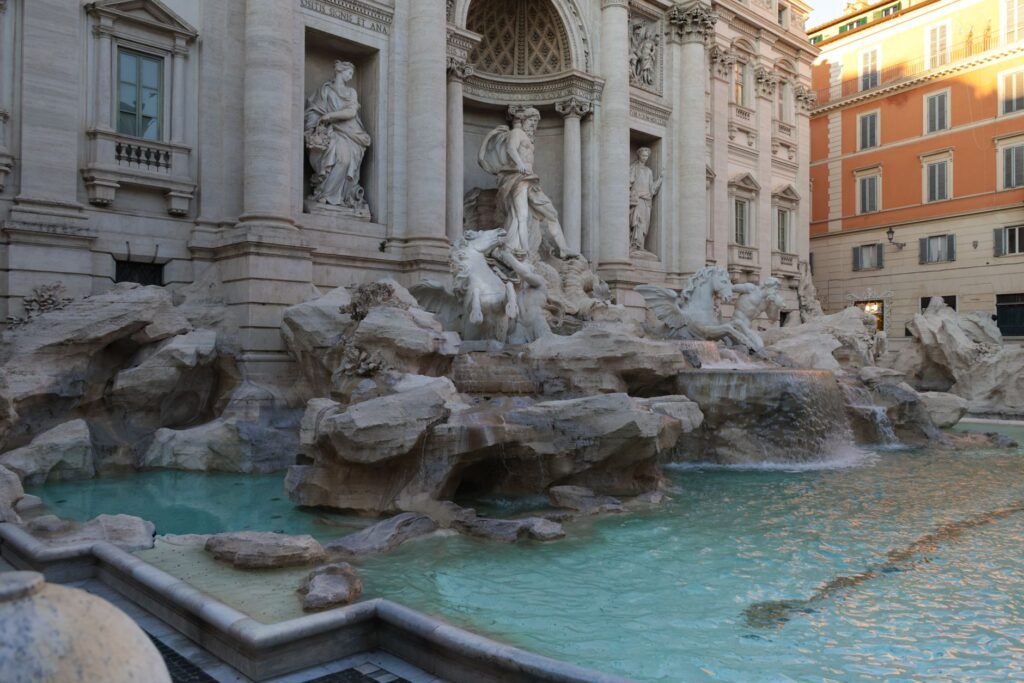
Book timed tickets for the Colosseum and the Vatican Museums well ahead, especially in high season, and check the Vatican’s closing days before you plan. Churches expect covered shoulders and knees. Water from the city’s public fountains, the nasoni, is free and drinkable. For opening hours and events, the city’s official tourism site, Turismo Roma, is the most reliable source. Then put this Rome city guide away and let the city lead: our hidden gems and best tours are here when you want them.
The newsletter
Postcards from nowhere in particular
Get our free Rome guide in your inbox straight away, then one email a month: a city worth wandering, the tours actually worth booking, and the corner nobody told you about.