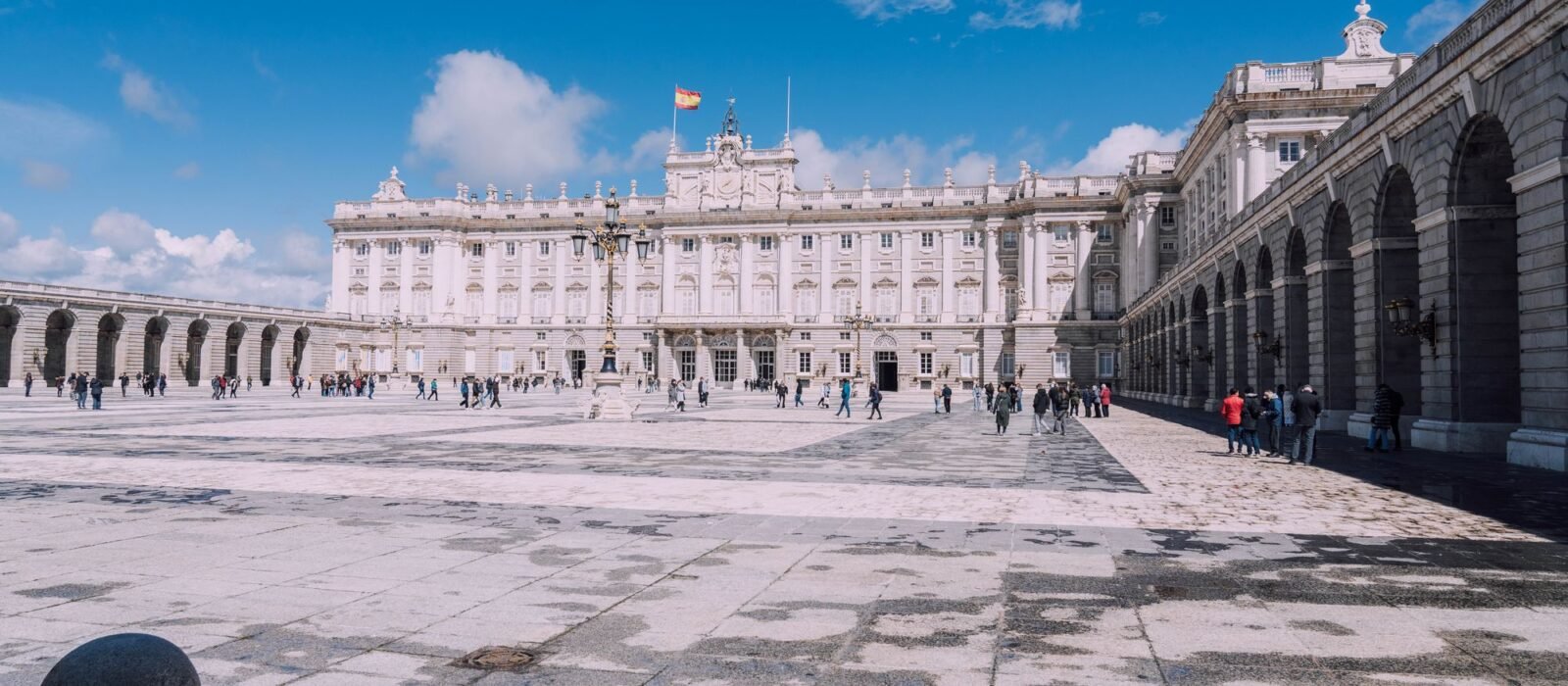
Photo: Joan Costa / Pexels
Wander Madrid
Welcome to Madrid
Every Madrid city guide should start here: Madrid runs on a later clock than most capitals. Lunch starts around two, dinner rarely before nine, and the streets of La Latina and Malasaña are still busy long after midnight.
By day there’s the city’s Golden Triangle of art (the Prado, the Reina Sofía and the Thyssen), the Royal Palace and the green sweep of Retiro Park. By night it’s tapas: a caña and something small at one bar, then on to the next.
This page is the start of our Madrid city guide. We’re adding hidden gems, seasonal advice and in-depth guides over the coming months.
Experiences
Things to do in Madrid
Bookable tours and tickets, with free cancellation on most. Booking happens on Viator.
-
Royal Palace
Browse tours on Viator (opens in a new tab) -
Prado Museum
Browse tours on Viator (opens in a new tab) -
Tapas tour
Browse tours on Viator (opens in a new tab) -
Flamenco show
Browse tours on Viator (opens in a new tab) -
Toledo day trip
Browse tours on Viator (opens in a new tab) -
Retiro Park
Browse tours on Viator (opens in a new tab)
Madrid city guide: the essentials
This Madrid city guide keeps the practical side short, because Madrid is best understood at street level, one plaza and one tapas bar at a time.
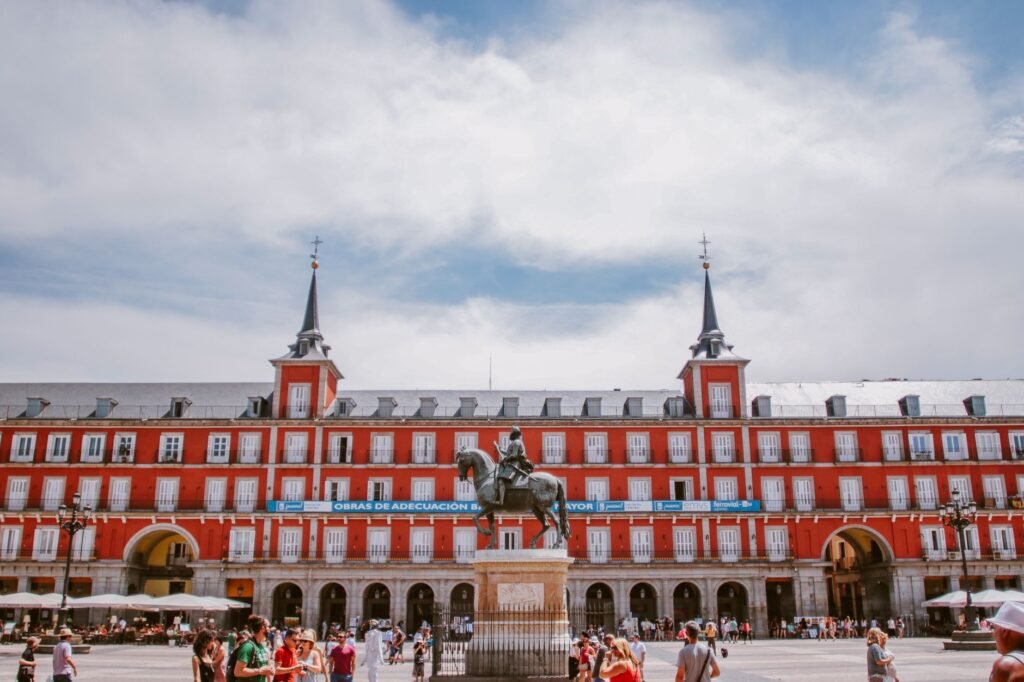
How many days you need
This Madrid city guide assumes a first visit. Two to three days cover the Prado and the Reina Sofía, the Royal Palace, Plaza Mayor and an afternoon in Retiro Park, with evenings free for tapas in La Latina. Add a day or two for Toledo or Segovia, each about half an hour away by high-speed train.
Getting around
Everything in this Madrid city guide is reachable on foot or by public transport. The metro is extensive, clean and easy to use, and a rechargeable multi-trip card saves time at the machines. The centre, from the Royal Palace to Retiro, is walkable, and many of the best evenings happen on foot, drifting from bar to bar.
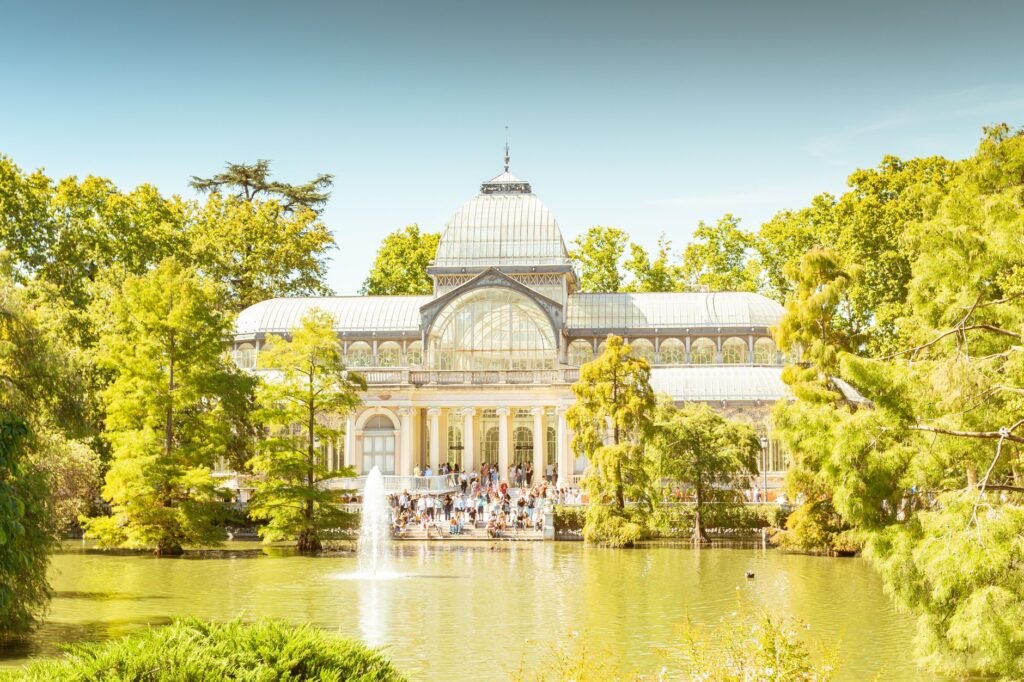
Where to stay
The area around Sol and the Barrio de las Letras is central and close to the big museums. La Latina and Lavapiés are lively and full of bars. Malasaña and Chueca are younger and busy at night, while Salamanca is quieter and more upmarket.
When to go
Spring and autumn are ideal. July and August are very hot, and many locals leave the city in August. Winters are cool, sunny and quiet. Our when to visit Madrid page has the month-by-month detail.
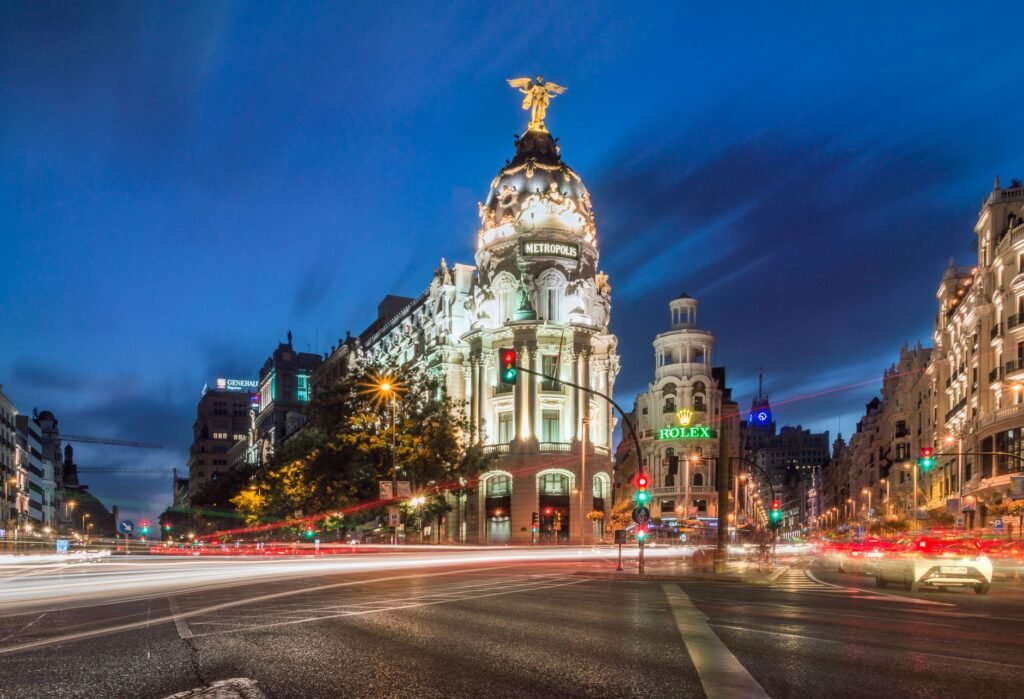
Before you go
Adjust to local hours: lunch runs from around two o’clock and dinner rarely starts before nine. The Prado offers free entry in the last hours of the day, but the queue builds early. For events and practical information, the city’s official tourism site, esMadrid, is the best source. When you’re ready to go beyond this Madrid city guide, start with our hidden gems and best tours.
The newsletter
Postcards from nowhere in particular
Get our free Madrid guide in your inbox straight away, then one email a month: a city worth wandering, the tours actually worth booking, and the corner nobody told you about.