
Photo: Efrem Efre / Pexels
Wander Paris
Welcome to Paris
If this Paris city guide has one message, it’s this: Paris rewards the aimless better than almost any city. Its boulevards are made for walking, and every arrondissement has its own character, from the village streets of Montmartre to the galleries and cafés of the Marais.
The headline sights are headline sights for a reason: the Louvre, the Eiffel Tower, a boat along the Seine at dusk. Book timed tickets where you can, then leave time for a long lunch and a slow walk home along the river.
This page is the start of our Paris city guide. We’re adding hidden gems, seasonal advice and in-depth guides over the coming months.
Experiences
Things to do in Paris
Bookable tours and tickets, with free cancellation on most. Booking happens on Viator.
-
Louvre Museum
Browse tours on Viator (opens in a new tab) -
Eiffel Tower
Browse tours on Viator (opens in a new tab) -
Seine river cruise
Browse tours on Viator (opens in a new tab) -
Montmartre walking tour
Browse tours on Viator (opens in a new tab) -
Versailles day trip
Browse tours on Viator (opens in a new tab) -
Food & wine tasting
Browse tours on Viator (opens in a new tab)
Paris city guide: the essentials
This Paris city guide keeps the practical side short, so you can get on with what Paris does best: wandering with no particular plan.
How many days you need
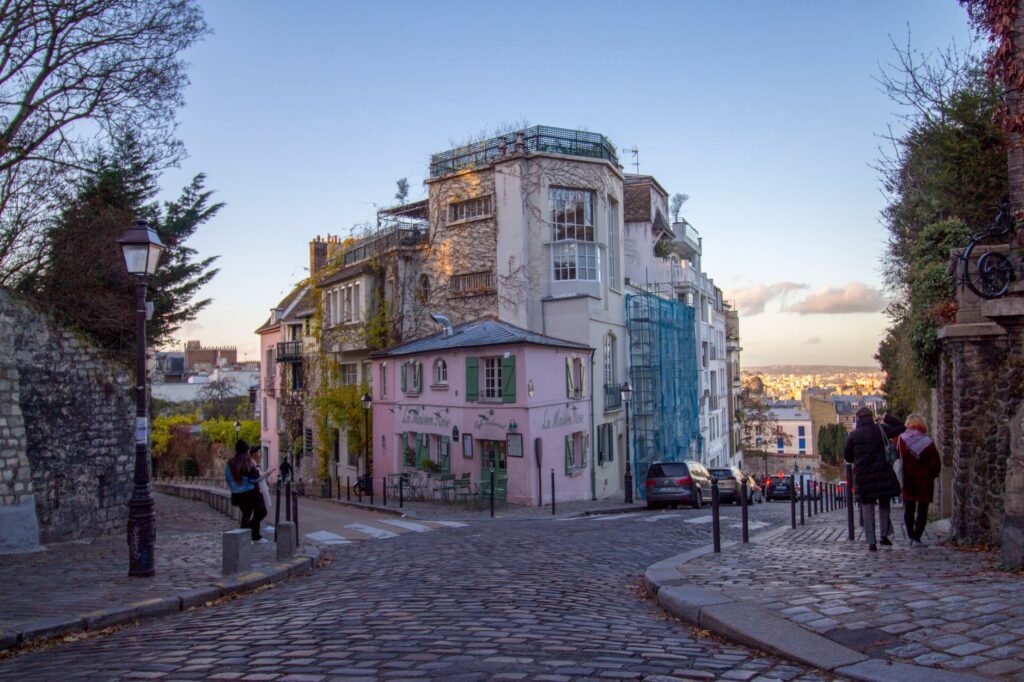
This Paris city guide assumes a first visit. Three to four days cover the essentials: the Louvre or the Musée d’Orsay (pick one per day, not both), the Eiffel Tower, a walk from Notre-Dame through the Latin Quarter, and an afternoon in Montmartre. With five days or more, add Versailles, the Marais at a slower pace and an evening along the Canal Saint-Martin.
Getting around
Everything in this Paris city guide is reachable on foot or by public transport. The metro is fast and reaches almost everywhere, with a station rarely more than a few minutes’ walk away. Buy tickets or load a Navigo Easy card at any station. For short hops, walking along the Seine is often quicker than changing lines, and far more pleasant.
Where to stay
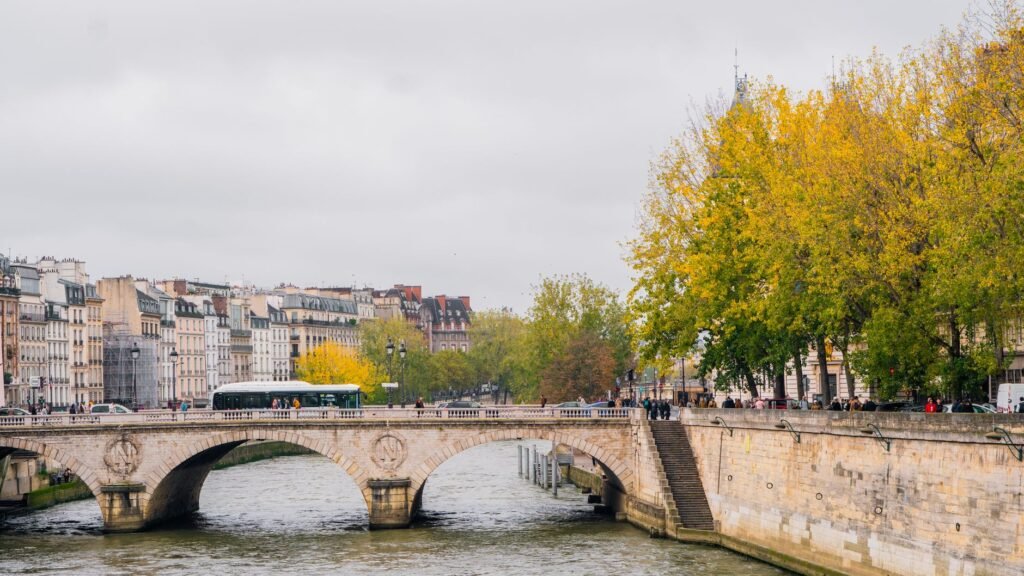
Le Marais and Saint-Germain-des-Prés put you within walking distance of most sights, at a price. The Latin Quarter is central and a little cheaper. Montmartre has village charm and lower prices, but the hills and the distance to the centre add time. Around the Canal Saint-Martin you’ll find a younger, local crowd.
When to go
Late spring and early autumn are the sweet spots, with mild weather and long evenings. Summer is busy at the big sights, and in August some local restaurants and shops close. Winter is cold and grey but quiet, and the museums are at their calmest. Our when to visit Paris page has the month-by-month picture.
Before you go
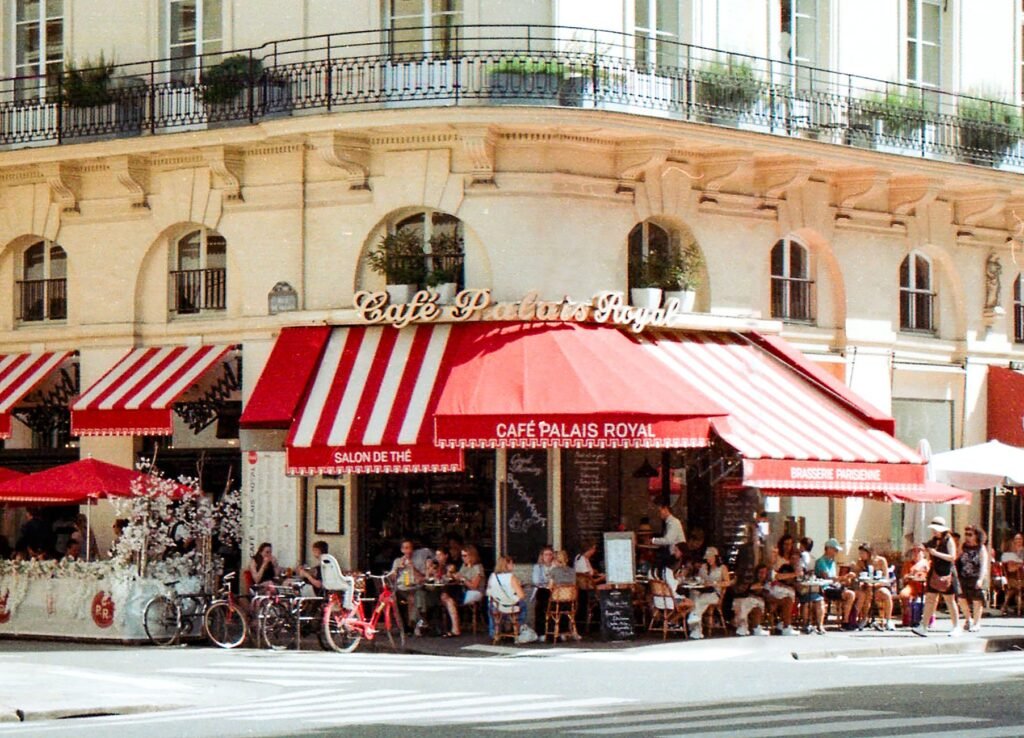
Book timed entry for the Louvre and the top of the Eiffel Tower ahead; walk-up queues can take hours. Many museums close one day a week, often Monday or Tuesday, so check before you plan a day around one. A café table comes with the right to linger: order a coffee and watch the street. For events and opening times, the official Paris je t’aime tourism site is a reliable source, and when you’re ready to go beyond this Paris city guide, our hidden gems and best tours are waiting.
The newsletter
Postcards from nowhere in particular
Get our free Paris guide in your inbox straight away, then one email a month: a city worth wandering, the tours actually worth booking, and the corner nobody told you about.