
Photo: Mo Eid / Pexels
Wander Lisbon
Welcome to Lisbon
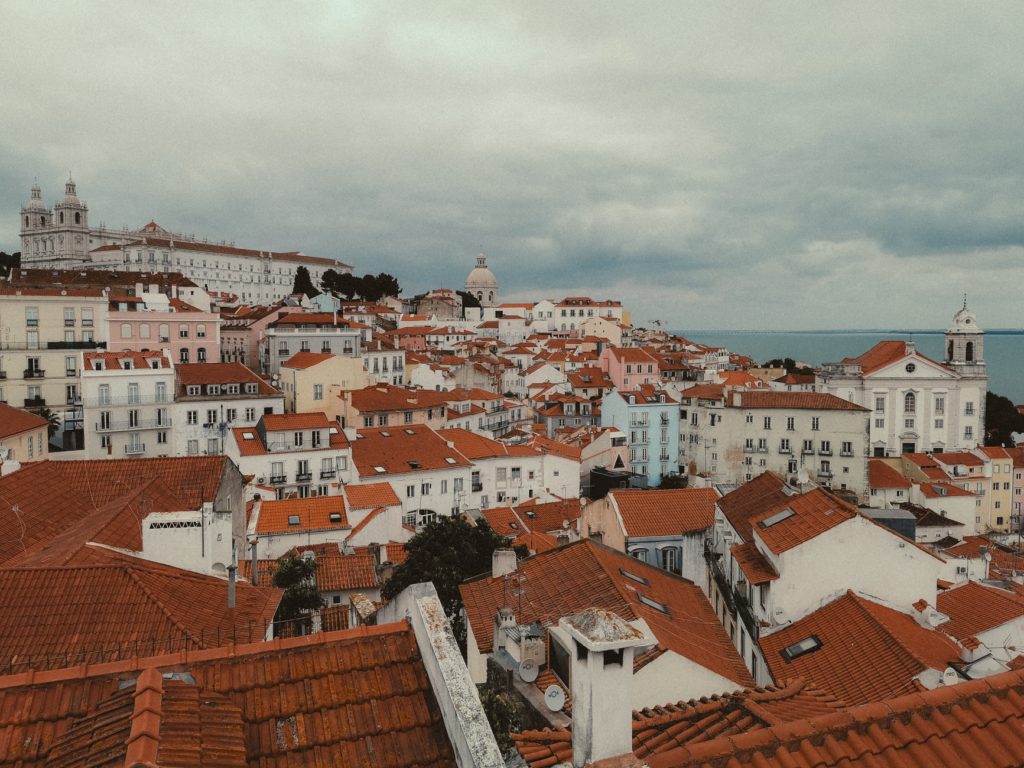
The first rule of any Lisbon city guide: Lisbon is built on steep hills, and it’s best explored on foot and aboard the old yellow trams that rattle up them. Around every corner there’s a tiled façade, a stone staircase or a miradouro (viewpoint) looking out over red roofs to the river.
Wander the tangled lanes of the Alfama, head out to Belém for its monuments and custard tarts, and save an evening for fado. Just outside the city, the palaces and forests of Sintra make one of Europe’s great day trips.
This page is the start of our Lisbon city guide. We’re adding hidden gems, seasonal advice and in-depth guides over the coming months.
Experiences
Things to do in Lisbon
Bookable tours and tickets, with free cancellation on most. Booking happens on Viator.
-
Tram 28 & Alfama
Browse tours on Viator (opens in a new tab) -
Belém Tower & Jerónimos
Browse tours on Viator (opens in a new tab) -
Sintra day trip
Browse tours on Viator (opens in a new tab) -
Fado night
Browse tours on Viator (opens in a new tab) -
Food tour
Browse tours on Viator (opens in a new tab) -
Tagus sunset cruise
Browse tours on Viator (opens in a new tab)
Lisbon city guide: the essentials
This Lisbon city guide keeps the practical side short, so you can save your energy for the hills.
How many days you need
This Lisbon city guide assumes a first visit. Three days cover Alfama and the castle, Baixa and Chiado, Belém with its tower and monastery, and a sunset at a miradouro. Add a fourth day for Sintra, and a fifth for Cascais or the Arrábida coast.
Getting around
Everything in this Lisbon city guide is reachable on foot or by public transport. Much of Lisbon is best explored on foot, but the hills are steep and the stone pavements get slippery, so wear shoes with grip. The metro covers the centre, and the historic trams and funiculars save your legs on the climbs. A rechargeable card from any metro station works on the metro, trams, buses and river ferries.

Where to stay
Baixa and Chiado are central, flat by Lisbon standards and close to everything. Alfama is atmospheric and quiet at night once the day visitors leave. Bairro Alto is fun but noisy until late, while Príncipe Real is calmer and a little more upmarket.
When to go
Spring and autumn bring warm days and fewer crowds. Summer is sunny and busy, and in June the city celebrates its popular saints with street parties and grilled sardines. Winter is mild but wetter. See our when to visit Lisbon page for more.

Before you go
For Sintra, take the train from Rossio station, about 40 minutes, and arrive early, before the tour buses; the palaces use timed tickets in busy months. Tram 28 fills up fast, so ride it early in the morning or walk its route instead. For events and opening times, the official Visit Lisboa site is a reliable source. When you’re ready to go beyond this Lisbon city guide, our hidden gems and best tours are waiting.
The newsletter
Postcards from nowhere in particular
Get our free Lisbon guide in your inbox straight away, then one email a month: a city worth wandering, the tours actually worth booking, and the corner nobody told you about.