
Vietnam · City guide
Hanoi
Street food, Old Quarter buzz and Ha Long Bay trips
Photo: Nguyễn Minh Thắng / Pexels
Wander Hanoi
Welcome to Hanoi
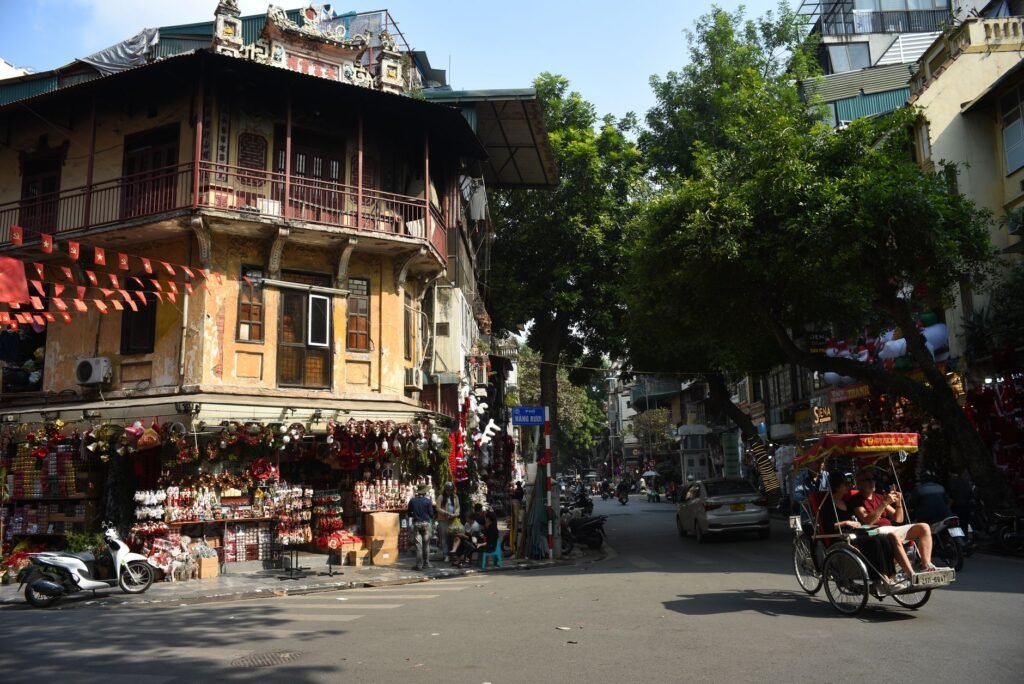
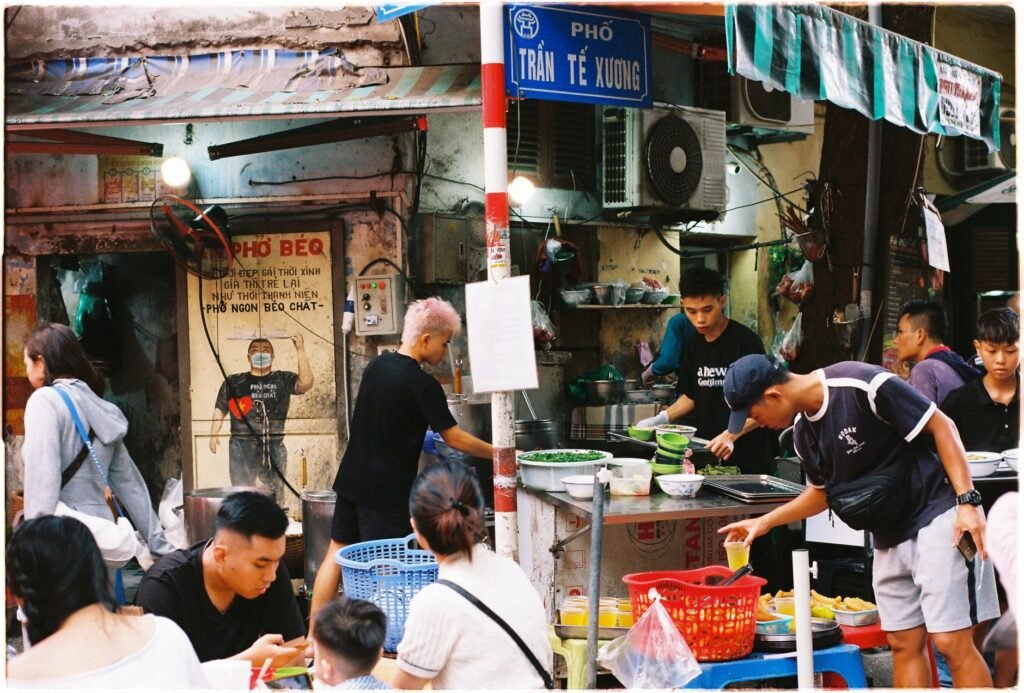
The first lesson of any Hanoi city guide: Hanoi moves fast. Motorbikes stream through the narrow streets of the Old Quarter, many of them named after the goods once traded there, and every pavement seems to double as a kitchen.
Start early with a bowl of phở, walk the shores of Hoàn Kiếm Lake, and let the food lead you: bún chả, bánh mì, egg coffee. Hanoi is also the gateway to the limestone karsts of Ha Long Bay and Ninh Bình.
This page is the start of our Hanoi city guide. We’re adding hidden gems, seasonal advice and in-depth guides over the coming months.
Experiences
Things to do in Hanoi
Bookable tours and tickets, with free cancellation on most. Booking happens on Viator.
-
Street food tour
Browse tours on Viator (opens in a new tab) -
Old Quarter walk
Browse tours on Viator (opens in a new tab) -
Ha Long Bay cruise
Browse tours on Viator (opens in a new tab) -
Train Street
Browse tours on Viator (opens in a new tab) -
Water puppet show
Browse tours on Viator (opens in a new tab) -
Ninh Binh day trip
Browse tours on Viator (opens in a new tab)
Hanoi city guide: the essentials
This Hanoi city guide keeps the practical side short, so you can spend your time eating and wandering.
How many days you need
This Hanoi city guide assumes a first visit. Three days in the city cover the Old Quarter, Hoàn Kiếm Lake, the Temple of Literature, the French Quarter and plenty of street food. Add an overnight cruise in Ha Long Bay and a day in Ninh Binh, and a week is well spent.
Getting around
Everything in this Hanoi city guide is reachable on foot or by public transport. The Old Quarter is best on foot, with care: to cross the road, walk at a slow, steady pace and let the motorbikes flow around you. For longer trips, ride-hailing apps such as Grab are cheap and spare you any haggling. Traffic is heavy at rush hour, so allow extra time.

Where to stay
The Old Quarter puts you in the middle of the action, with the noise to match. The French Quarter, south of Hoàn Kiếm Lake, is calmer, with wider streets and grand old buildings. West Lake (Tây Hồ) is quieter still, with cafés and a slower, residential feel.
When to go
Autumn (roughly September to November) and spring (March and April) are the most pleasant. Summer is hot, humid and rainy, and winter is cool and often grey. See our when to visit Hanoi page for the details.
Before you go
Vietnam uses the dong; carry small notes, because street food and markets are cash only. Check the visa rules for your nationality before you travel. Access to Train Street is sometimes restricted by the police, so don’t build a day around it. For official travel information, Vietnam Travel, from the national tourism authority, is a good starting point. When you’re ready to go beyond this Hanoi city guide, our hidden gems and best tours are waiting.
The newsletter
Postcards from nowhere in particular
Get our free Hanoi guide in your inbox straight away, then one email a month: a city worth wandering, the tours actually worth booking, and the corner nobody told you about.