Hungary · City guide
Budapest
Thermal baths, ruin bars and the Danube
Photo: Samuel Hájnik / Pexels
Wander Budapest
Welcome to Budapest
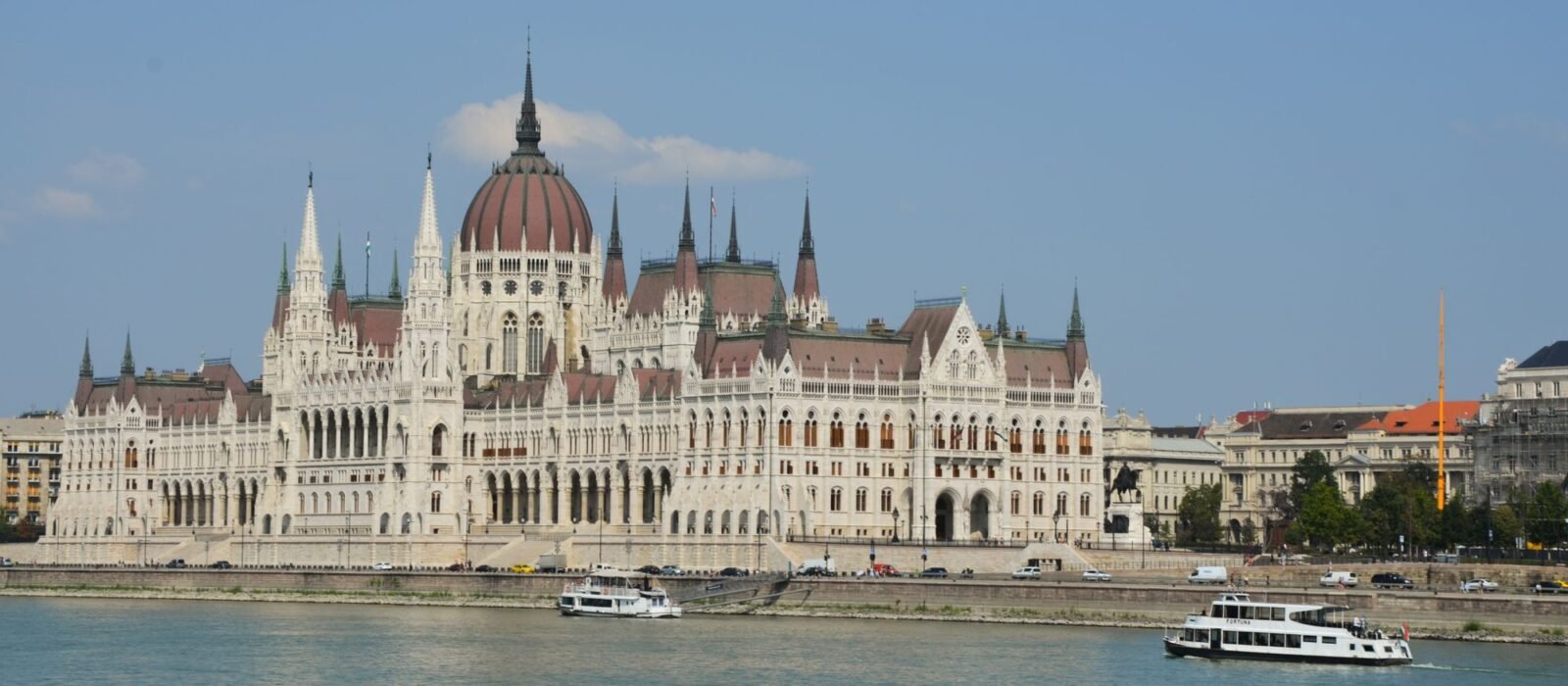
The first thing this Budapest city guide should tell you is that Budapest is really two cities facing each other across the Danube: hilly, historic Buda with its castle district, and flat, lively Pest with its grand boulevards and the Parliament on the riverbank.
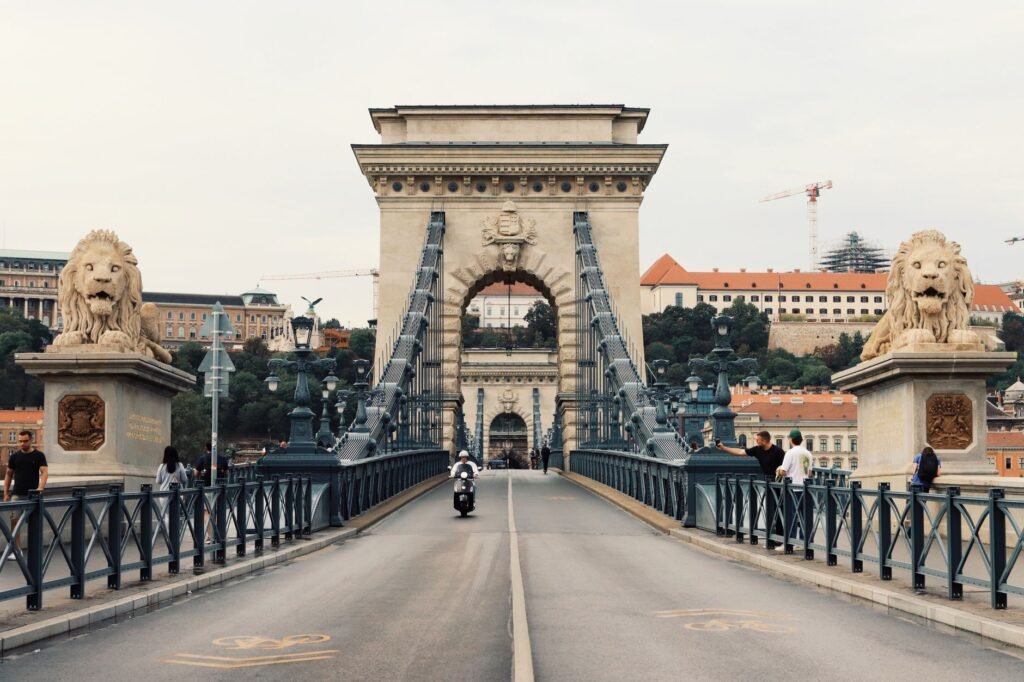
Spend a morning soaking in one of the city’s famous thermal baths, cross the Chain Bridge at sunset, and end the night in the ruin bars of the old Jewish Quarter, built into abandoned courtyards and buildings.
This page is the start of our Budapest city guide. We’re adding hidden gems, seasonal advice and in-depth guides over the coming months.
Experiences
Things to do in Budapest
Bookable tours and tickets, with free cancellation on most. Booking happens on Viator.
-
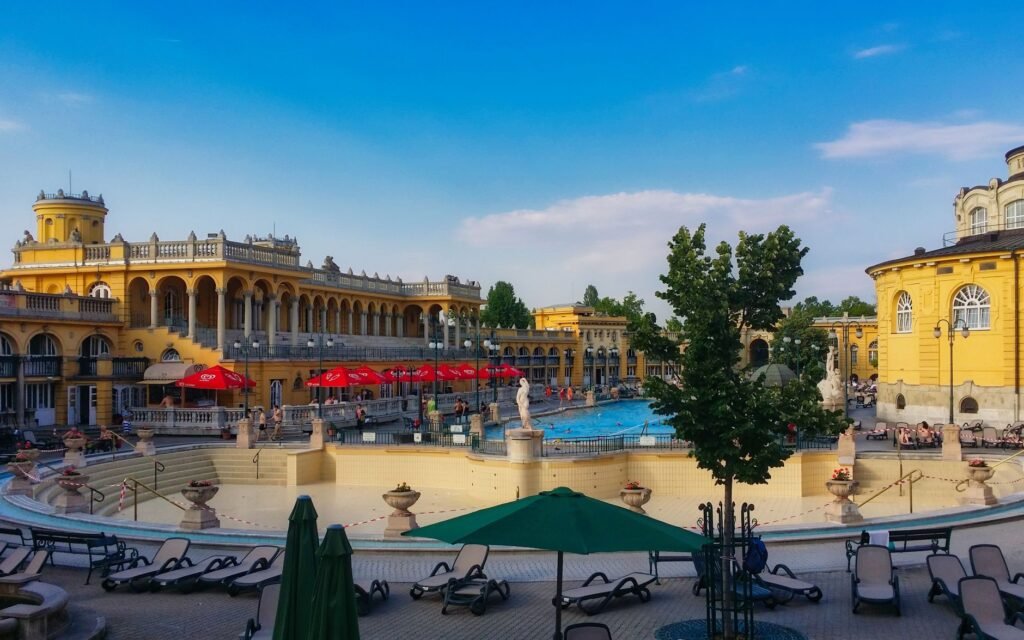
Thermal baths
Browse tours on Viator (opens in a new tab) -
Danube river cruise
Browse tours on Viator (opens in a new tab) -
Parliament tour
Browse tours on Viator (opens in a new tab) -
Ruin bars
Browse tours on Viator (opens in a new tab) -
Buda Castle
Browse tours on Viator (opens in a new tab) -
Food & wine tasting
Browse tours on Viator (opens in a new tab)
Budapest city guide: the essentials
This Budapest city guide keeps the practical side short, so you have more time for the baths.
How many days you need
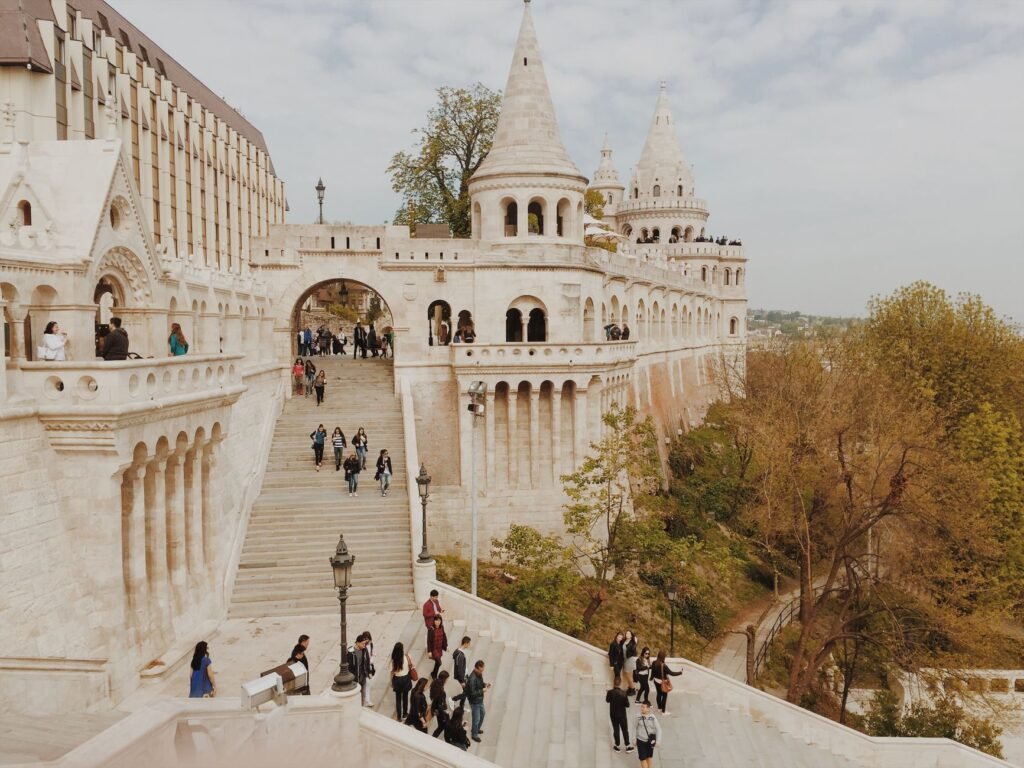
This Budapest city guide assumes a first visit. Two to three days cover Buda Castle and Fisherman’s Bastion, the Parliament, a thermal bath, a Danube cruise and an evening in the ruin bars. With a fourth day you can add a second bath, the Great Market Hall at a slower pace or a day trip to the Danube Bend.
Getting around
Everything in this Budapest city guide is reachable on foot or by public transport. Trams and the metro are cheap and frequent. Trams 2, 4 and 6 are especially useful, and tram 2 along the Pest riverbank is a sightseeing ride in itself. Metro line 1, one of the oldest underground lines in the world, runs beneath Andrássy Avenue. Both banks are walkable, and the bridges make fine walks.
Where to stay
District V, around the Parliament and the riverside, is central and close to most sights. District VII, the old Jewish Quarter, is where the ruin bars are: lively and good value, but loud at night. The Castle District in Buda is quiet and romantic, with a steeper walk home.
When to go
Spring and autumn are the most comfortable. Summer is hot and busy, with outdoor festivals. Winter is cold, but the thermal baths are at their best in the steam, and the Christmas markets are open. See our when to visit Budapest page for more.
Before you go
Hungary uses the forint, not the euro. Cards are widely accepted, but keep some cash for markets and small bars. Bring flip-flops to the baths if you have them, and check each bath’s opening hours before you go. For events and practical information, Budapest Info, the city’s official tourism site, is a reliable source. When you’re ready to go beyond this Budapest city guide, start with our hidden gems and best tours.
The newsletter
Postcards from nowhere in particular
Get our free Budapest guide in your inbox straight away, then one email a month: a city worth wandering, the tours actually worth booking, and the corner nobody told you about.